
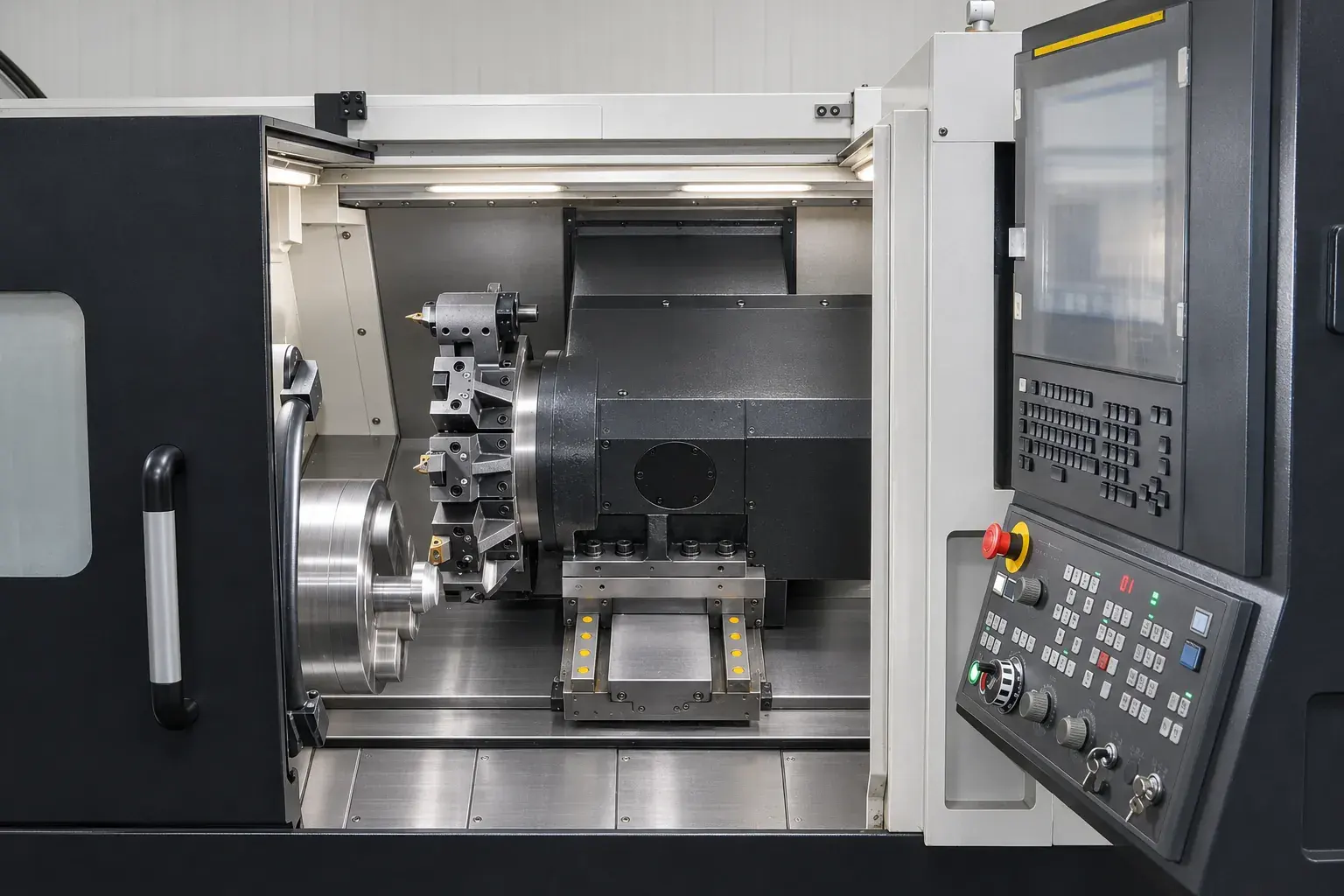
The basic difference: what rotates?
Machining produces a part by removing material from stock with cutting tools until the required dimensions and surface finish are reached. Turning and milling are its two most common processes, and the difference between them comes down to one question: what rotates during the cut?
In turning, the workpiece spins around its own axis while the cutting tool moves towards and along it. In milling, the cutting tool spins while the workpiece is clamped to the table and moved along the axes. That single difference determines which geometries each machine handles best.
Typical parts made by CNC turning
Lathes are ideal for rotationally symmetrical parts — parts shaped around a central axis. Outside and inside diameters, faces, tapers, grooves and threads are the core operations of turning.
- Shafts, journal shafts and drive shafts
- Bushings, bearing sleeves and spacer rings
- Flanges, covers and hubs
- Pulleys, rollers and cylinders
- Gear and sprocket blanks (the body before the teeth are cut)
Typical parts made by CNC milling
Milling machines and CNC vertical machining centres excel at prismatic parts — those with flat faces and corners. Facing, pocketing, slotting, profiling, drilling and tapping can be carried out in sequence in a single setup.
- Machine housings, plates and brackets
- Fixtures, jigs and mould components
- Slotted and pocketed blocks, slides
- Connection parts with hole patterns
What does a C-axis lathe change?
The C axis lets the lathe spindle be positioned at defined angles and rotated under control. With suitable tooling, some drilling, flat-milling and slotting operations on a turned part can be completed without moving it to another machine.
The main benefit is fewer re-clamping operations. Every re-clamp adds the risk of dimensional deviation and extra setup time, so operations completed in one setup are usually both more consistent and more efficient. At Öztart Makina, the C-axis CNC lathe is planned together with our CNC vertical machining centres for exactly this purpose.
Which process should you choose?
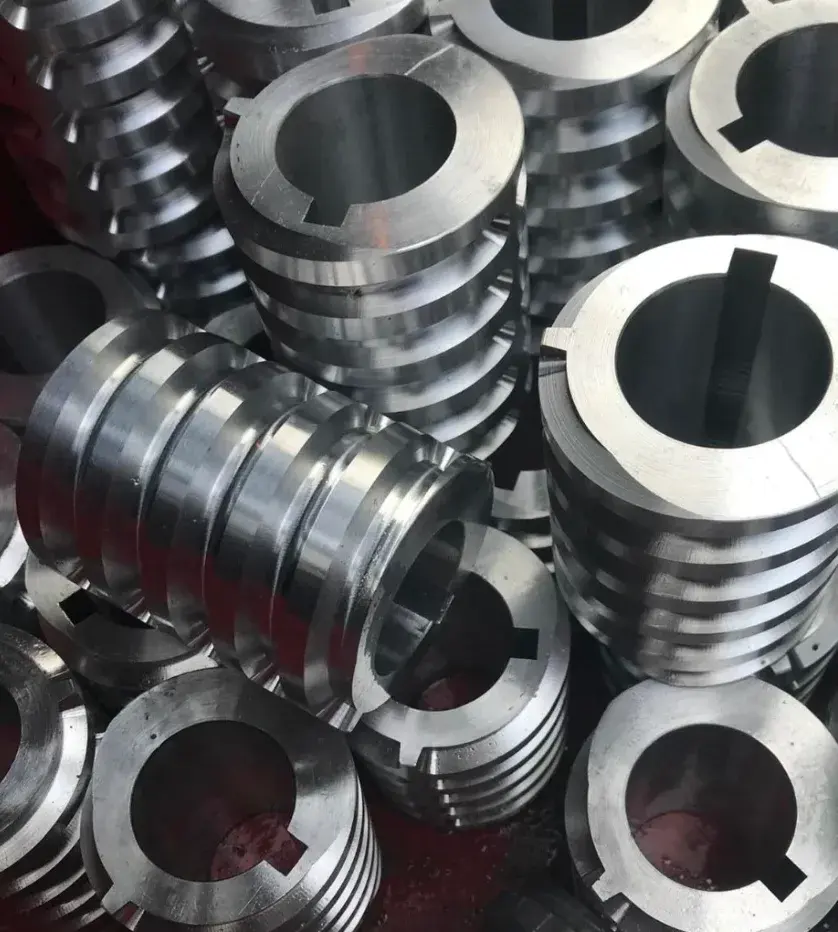
In practice, many parts are not finished by turning or milling alone. A keyed pulley, for example, is first turned, the keyway is then cut on a slotting machine or a mill, and finally any holes and threads are added. The real question is rarely 'turning or milling?' but 'in what sequence, and on which machines?'
The decision depends on:
- Geometry: Is the part shaped around an axis, or is it flat-faced and prismatic?
- Material: Steel, stainless steel, bronze and engineering plastics each need different cutting conditions.
- Dimensional and surface requirements: Critical tolerances and finish dictate where the final operation is performed.
- Quantity: Conventional machines can be practical for one-offs; CNC programming pays off on repeat work.
- Workholding: How many times and how the part is clamped drives both accuracy and cost.
Do conventional machines still have a role?
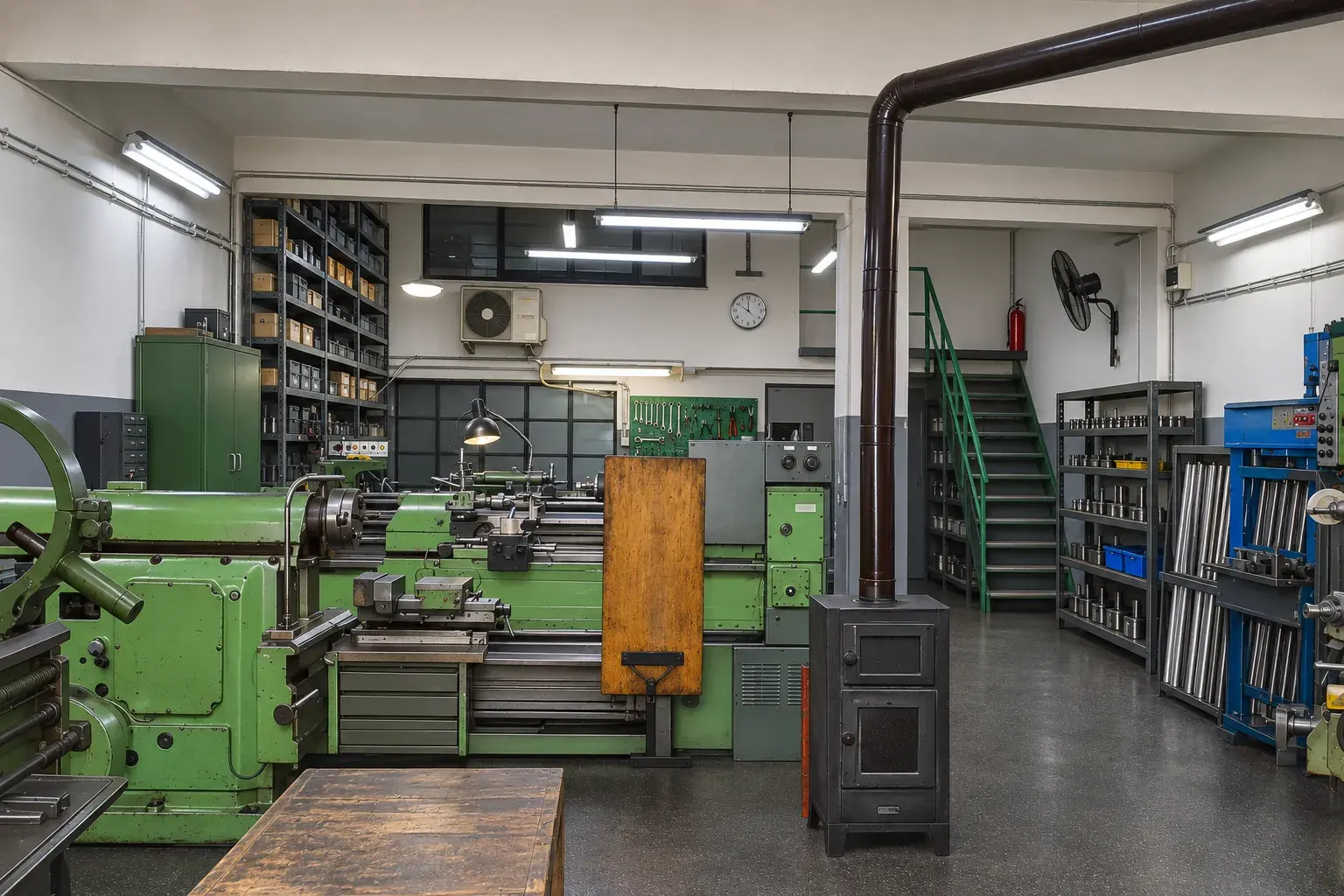
Yes. For repair work, one-off spare parts, large-diameter parts and urgent jobs, conventional lathes and mills remain extremely useful. Having CNC and conventional machines in the same workshop means every part can be made on the most suitable machine.
Frequently Asked Questions
Does a long part such as a shaft need turning or milling?
Shafts are rotational parts, so their main shape is produced by turning. Keyways, flats or cross holes on the shaft can then be completed by milling, slotting or on a C-axis lathe.
Is a CNC machine always better than a conventional one?
No. CNC machines are advantageous for repeat work and complex geometry; for one-off repairs and simple parts a conventional machine can be quicker and more economical. The choice depends on the part.
What information should I share to get a quote?
A technical drawing or photos of a sample part, the material, the quantity and the critical dimensions are a good starting point. Mention any heat treatment or coating requirement as well.