
What preventive maintenance means
Preventive maintenance is the set of planned inspections, lubrication, adjustments and part replacements carried out at fixed time or operating-hour intervals — before a machine fails. Its goal is to reduce unplanned downtime and extend equipment life.
The cost of unplanned downtime on a production line is not just the repair bill: lost output, delayed orders, overtime and quality issues are all part of it. Preventive maintenance turns those risks into a planned, controllable cost.
Maintenance strategies: reactive, preventive, predictive
Industrial maintenance is usually grouped into three approaches:
- Reactive (corrective) maintenance: Intervening after a failure. Cheap in the short term, but with a high risk of unplanned stops and knock-on damage.
- Preventive (scheduled) maintenance: Planned work based on the calendar or running hours. The most practical starting point for most plants.
- Predictive maintenance: Monitoring the actual condition of components through vibration, temperature or oil analysis, and intervening when needed. Most valuable on critical, high-cost equipment.
How to build a preventive maintenance plan
A good plan does not require complex software; even a simple spreadsheet applied consistently makes a big difference. Recommended steps:
- List your equipment and rate each machine's criticality to production.
- Collect the maintenance intervals from manufacturer manuals and your failure history.
- Define daily, weekly, monthly and annual checks for each machine.
- Align maintenance windows with the production schedule (between shifts, weekends, before the season).
- Record every intervention, every replaced part and every observation.
- Review the records periodically and adjust intervals at recurring failure points.
What belongs on the checklist?
It varies from machine to machine, but these items come up frequently on mechanical systems:
- Lubrication points, oil level, oil colour and contamination
- Chain and belt tension, sprocket and pulley wear
- Noise, temperature and play in bearings
- Leaks at seals and gaskets
- Condition of wear parts such as knives, bushings and slides
- Tightness of bolts and fasteners
- Leaks and pressure in hydraulic and pneumatic lines
Critical spare parts inventory
The most overlooked part of preventive maintenance is having critical spares ready in advance. Parts whose failure stops the line and whose supply takes a long time should be listed, with at least one spare kept in stock where possible.
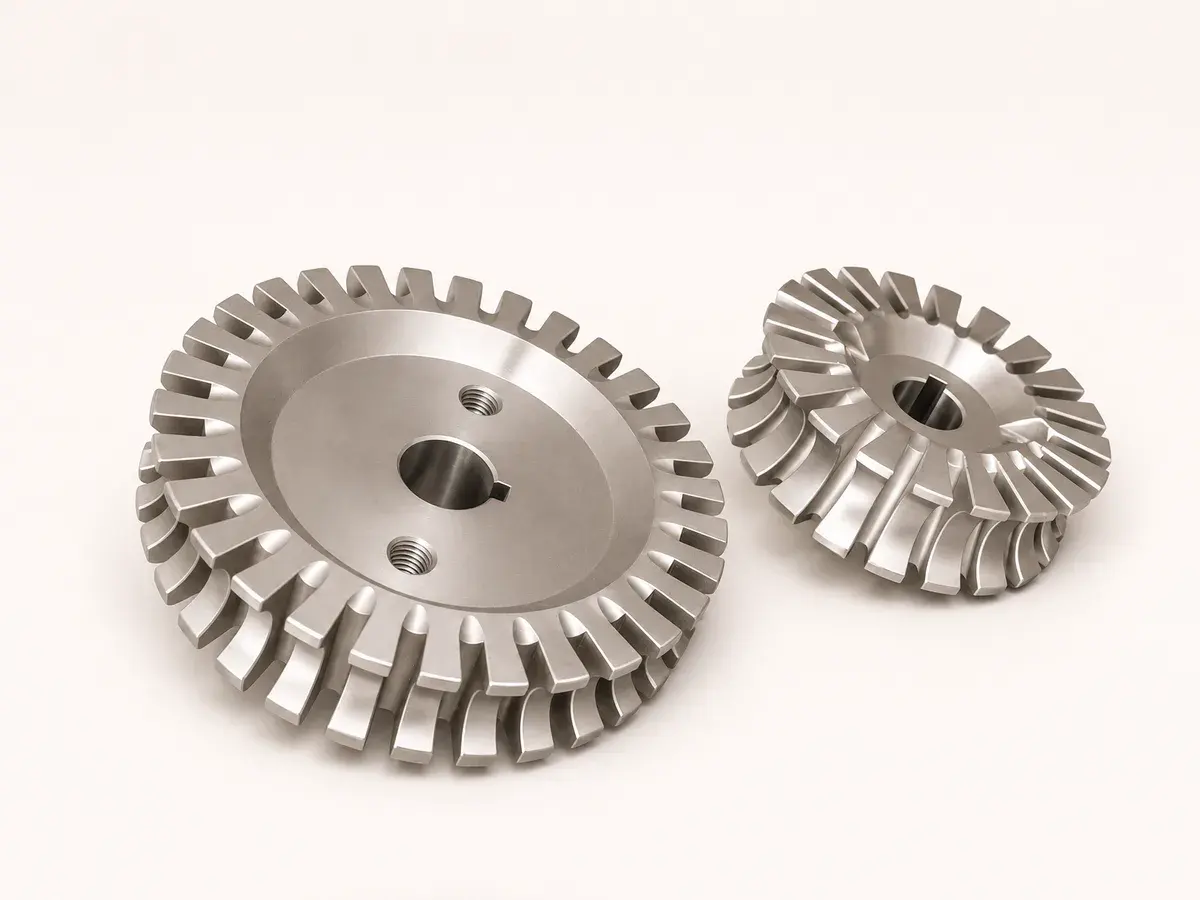
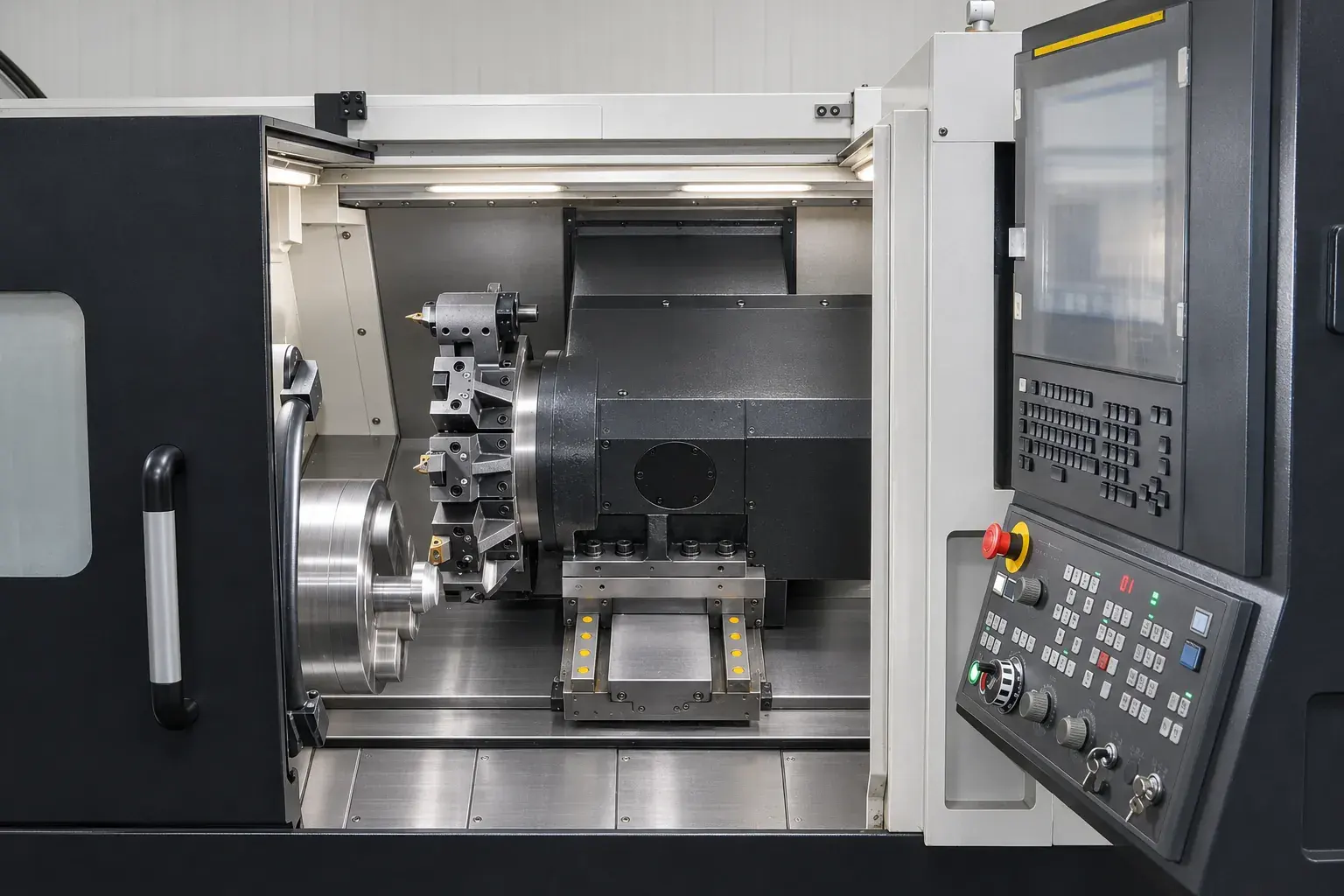
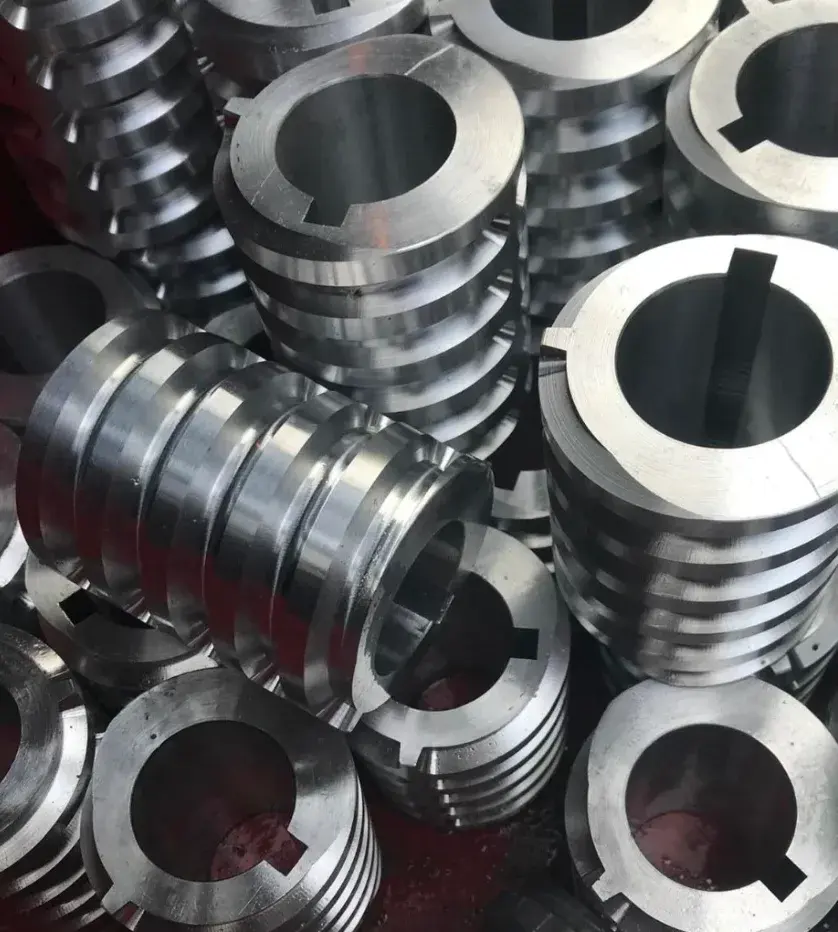
For parts that the original manufacturer no longer supplies, or that take weeks to arrive from overseas, local manufacturing is a strong option. Gears, shafts, bushings, pulleys and sprockets made to drawing or from a sample can be stocked as insurance for the maintenance plan.
Maintenance on seasonal lines
In seasonal sectors such as food processing, machines run flat out during part of the year and sit idle the rest. The most efficient approach on these lines is to strip and inspect machines as soon as the season ends, identify worn parts, and have replacements manufactured and installed before the next season starts.
Frequently Asked Questions
How often should preventive maintenance be done?
It depends on the manufacturer's recommendations, running hours and operating environment. A layered plan is typical: daily visual checks, weekly or monthly lubrication and adjustments, and an annual overhaul.
Doesn't preventive maintenance increase costs?
Planned maintenance has a direct cost, but unplanned stops, knock-on damage and emergency parts sourcing usually cost far more. The goal is to lower the total cost of ownership.
Can I have replacement parts made before the maintenance stop?
Yes. If samples or drawings of the wear parts are shared in advance, they can be manufactured and ready before the shutdown, which shortens downtime.