What is manufacturing from a sample?
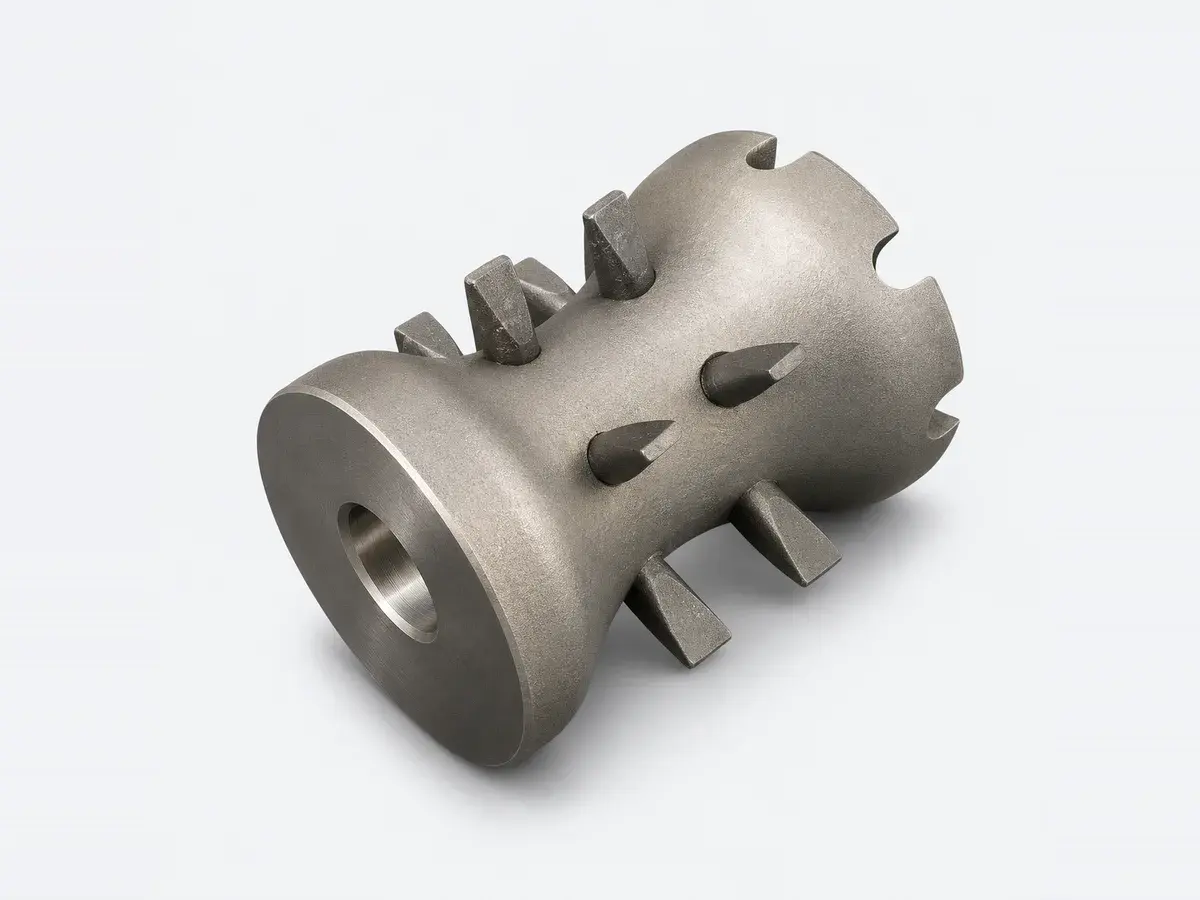
Manufacturing from a sample means establishing the dimensions, geometry and, as far as possible, the material of a part that has no technical drawing — using an existing example — and then remaking it. It is commonly known as reverse engineering.
It is often the most practical way to get a line running again, especially on older machines, on equipment whose manufacturer has closed or ended parts support, and for parts with long overseas lead times.
When is it the right choice?
- The machine manufacturer no longer supplies spare parts
- The original part's lead time is longer than production can wait
- The drawing has been lost, or never existed
- The original part fails often and an improved version is wanted
- You want to build a spare stock of critical parts
The process step by step
- Sample review: The part's function, location and mating parts are assessed.
- Measurement: All dimensions are taken with calipers, micrometers, dial indicators and special gauges where needed.
- Interpreting wear: On worn surfaces the original dimension is established from the mating part and standard values.
- Material identification: A suitable material is selected using hardness testing, visual inspection and, if needed, laboratory analysis.
- Drawing: A technical drawing is produced with dimensions, tolerances and material.
- Manufacturing and inspection: The part is machined on suitable machines and critical dimensions are checked.
- Fit trial: Where possible, the first part is trial-fitted before moving to batch production.
The special case of gears
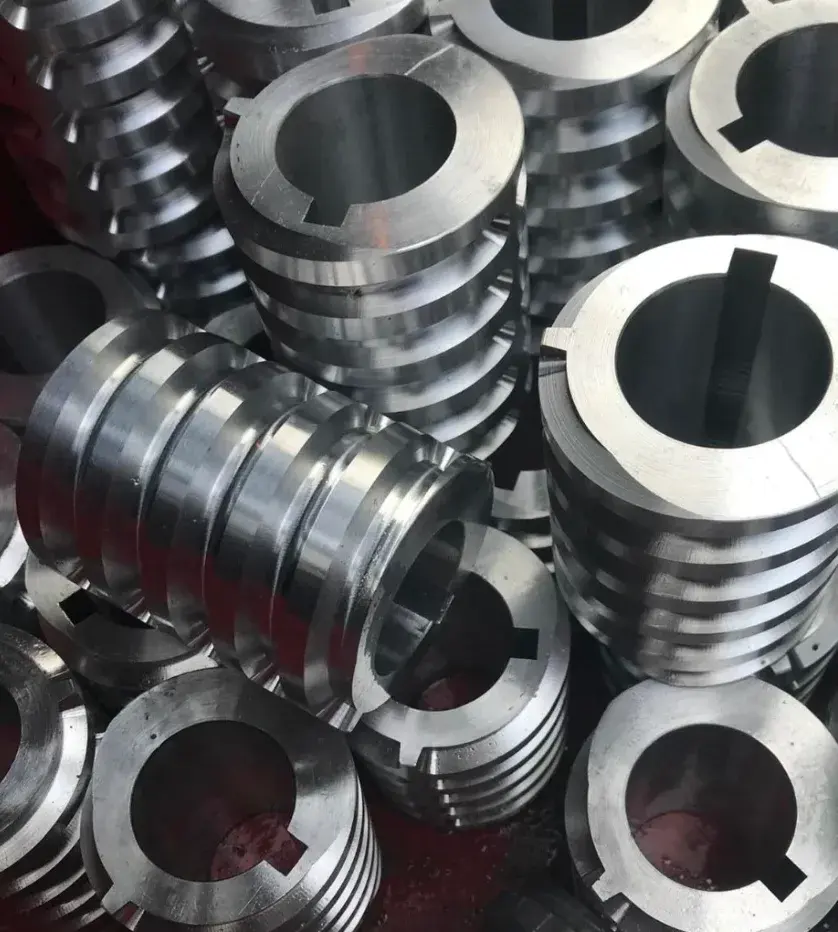
Gears are among the most demanding parts to reverse engineer. The tooth count, outside diameter, module (or diametral pitch), pressure angle, helix angle and, if applicable, profile shift must all be determined. It also matters whether the gear was designed in metric or imperial units — gears on American- and British-built machines are often inch-based.
Examining the mating gear makes it much easier to establish the correct geometry, so sending the gear pair together is recommended.
Working with a worn sample
The sample is often the very part being replaced because it is worn or broken, so the measured value may not equal the design value. On worn areas such as bushing bores, shaft journals and gear flanks, the original dimension is reconstructed from unworn areas, the mating part and standard fit values.
For broken parts, sending all the broken pieces together with photos showing where the part sits in the machine makes it far easier to recover the complete geometry.
Tips for sending a sample
- Clean the part, but do not sand away the wear marks.
- Send mating parts (shaft, bushing, mating gear) together where possible.
- Share the machine's make, model and serial number if known.
- Include photos showing where the part sits in the machine.
- Describe how long the part lasted and the operating conditions.
Frequently Asked Questions
Can a part made from a sample be more durable than the original?
If the original fails often, a more suitable material, heat treatment or a minor design improvement can be proposed after reviewing the operating conditions. Any change is applied with the customer's approval.
Will my sample part be returned?
Whether the sample is returned is agreed when the order is placed; it can usually be sent back with the new part after manufacturing.
Can I also receive the part drawing?
A drawing created from the sample makes it easier to remake the same part in the future. Drawing handover and scope can be discussed at the quoting stage.