
The machines on a corn processing line
Sweet corn destined for canning, freezing or ready meals passes through a series of machines after it arrives from the field. Two of the most critical are the husker and the cutter.
Corn huskers strip the leaves (husks) from the ears using pairs of counter-rotating husking rolls. Corn cutters — also called kernel cutters or shelling machines — then separate the kernels from the cob with a cutter head and knives. Both run at high speed throughout the season, so their wear parts need regular renewal.
Wear parts on corn cutters (shelling machines)
On cutters, wear is concentrated in the cutting group that is in direct contact with the cob and kernels:
- Cutting knives and knife segments
- Knife holder bodies and cutter head bodies
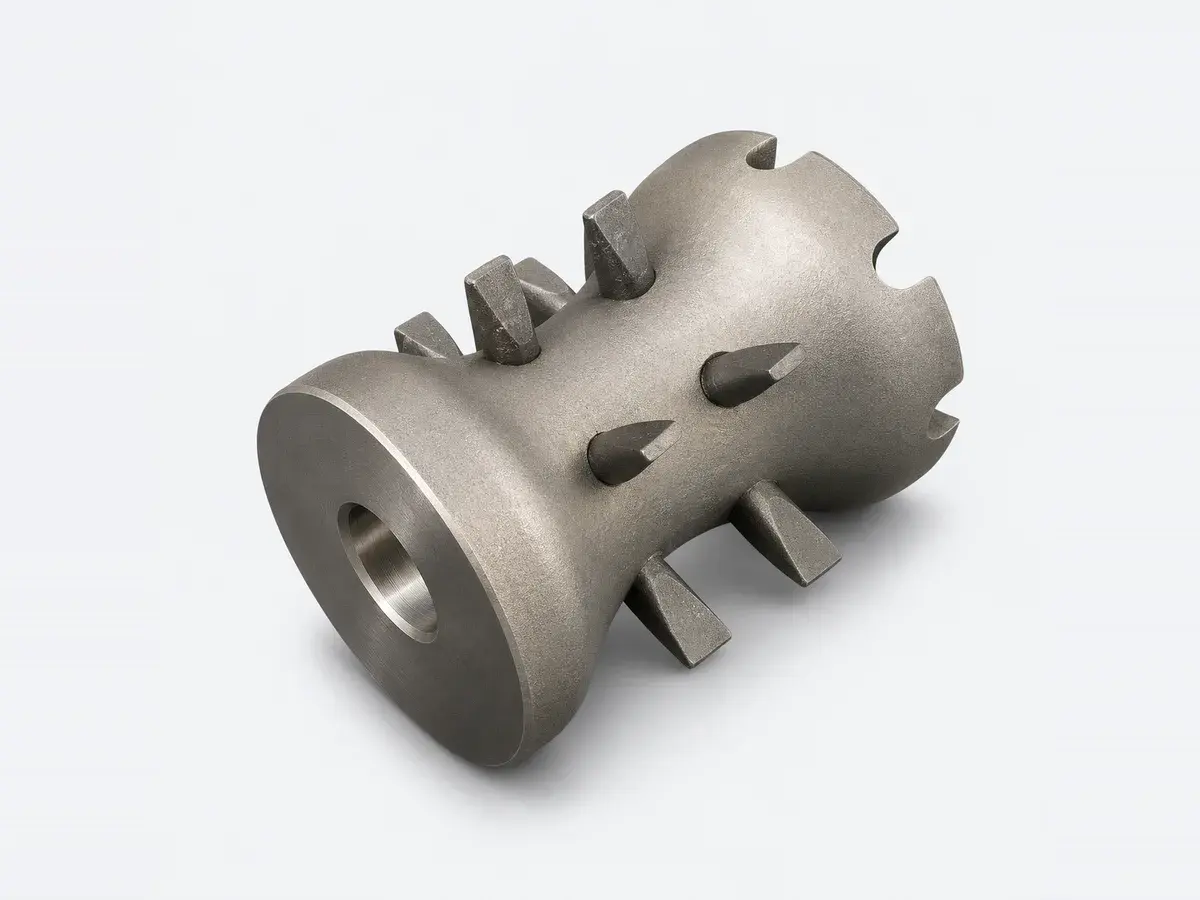
- Finger-type shelling rotors and shelling bushings
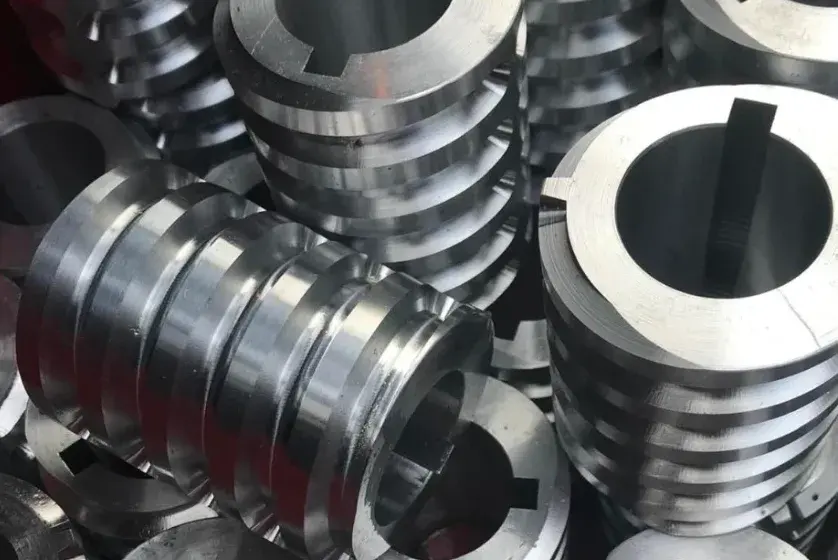
- Grooved cam discs, adjustment discs and toothed discs
- Plastic guide combs and grid plates
- Fasteners such as studs, keys, washers and spacer bushings
Wear parts on corn huskers
On huskers, the drive train and bearing group that turn the husking rolls take most of the wear:
- Sprockets, spur gears and bevel gear pairs
- Roll shafts, drive shafts and worm shafts
- Couplings and flanged coupling hubs
- Bronze-bushed bearing housings and bearing blocks
- Shaft bearing bushes and tension bushings
Signs of wear
Worn parts usually show up first in product quality. Uneven cutting, kernels left on the cob, crushed kernels, or ears still carrying husk after the husker are the first signs of a mechanical problem. Rising noise, vibration, chain slack and bearing temperature may accompany them.
Running a worn part to destruction increases both yield loss and the risk of knock-on damage — a worn sprocket, for example, can quickly ruin a new chain.
A pre-season maintenance timeline
Corn processing is seasonal: machines run non-stop during harvest and stand idle the rest of the year. The most efficient approach is to strip the machines right after the season, list the worn parts, and have replacements ready well before the next campaign.
- End of season: Clean and strip the machines, set aside the worn parts.
- Immediately after: Send worn parts as samples or share their dimensions.
- Off-season (winter–spring): Manufacture and inspect the replacement parts.
- Before the season: Assembly, adjustment and trial runs; build a spare stock of critical parts.
Manufacturing replacement parts locally
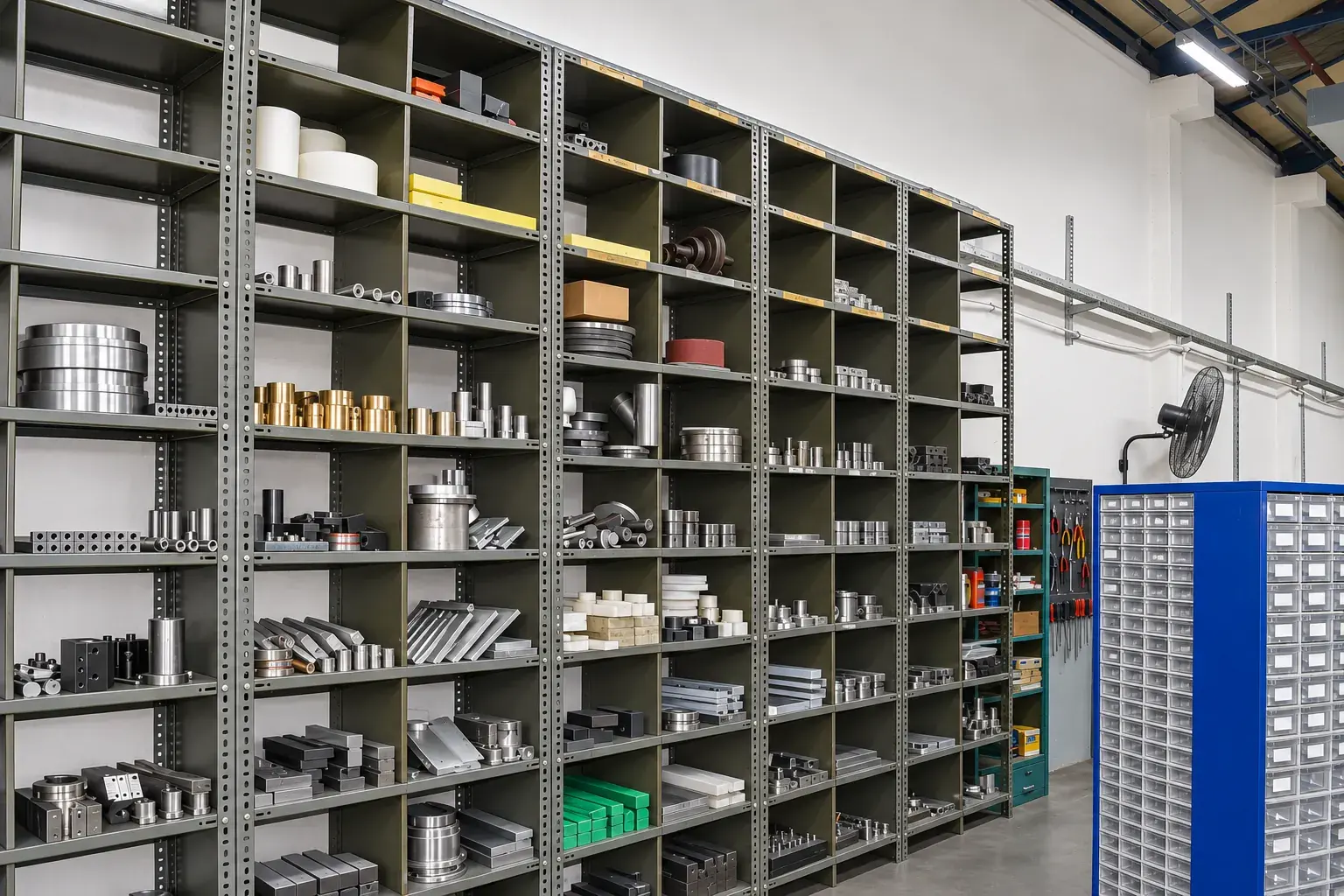
Many corn processing machines are imported, and original spare parts can come with long lead times or high prices. For older machines whose manufacturer no longer offers support, finding parts is harder still.
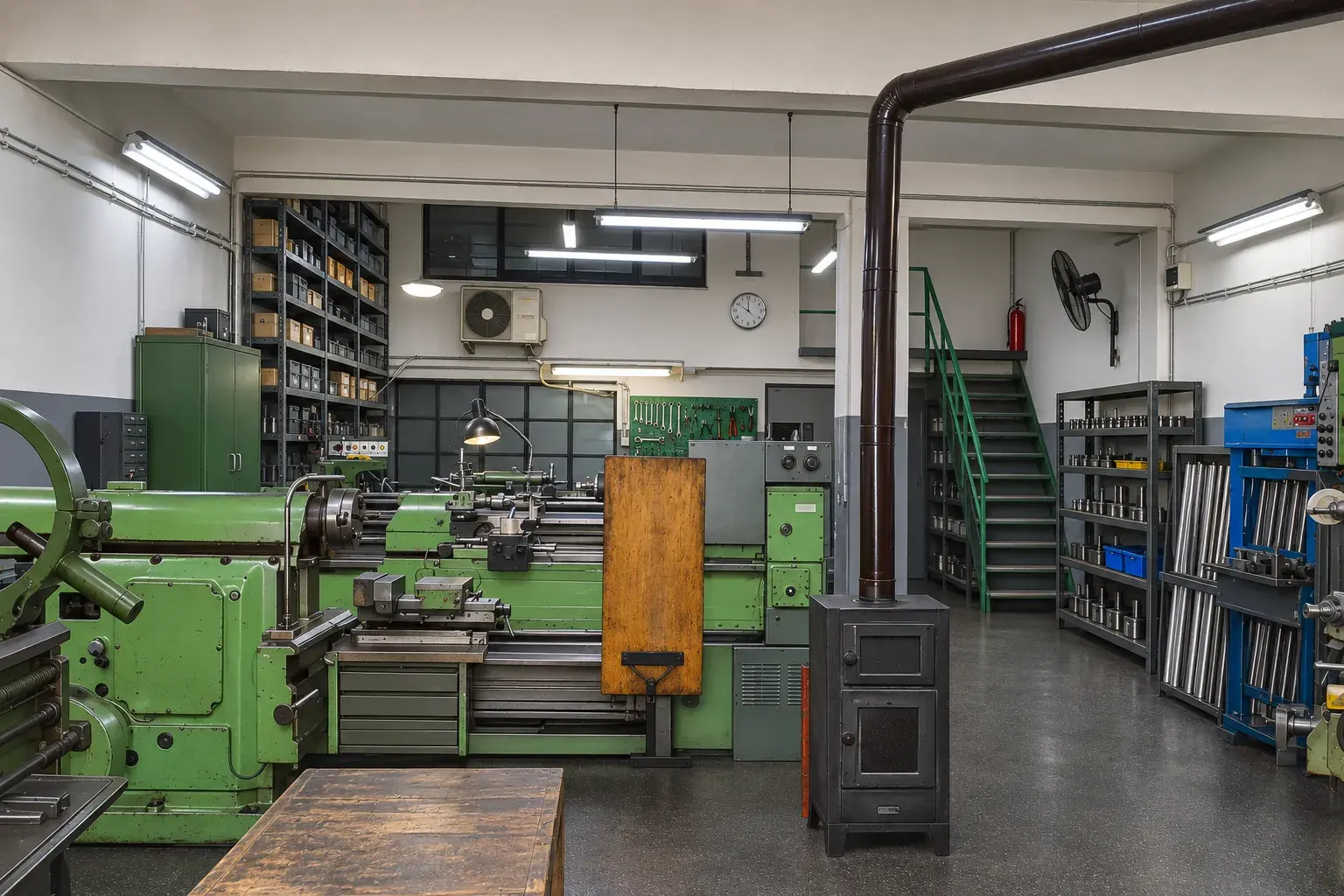
Most of these parts — gears, shafts, bushings, discs and housings — can be produced by machining. They can be manufactured from a sample part or drawing, using a suitable material and heat treatment where needed. Öztart Makina's spare parts catalogue lists examples of parts we have made for corn cutting and husking machines, with part codes. We do not sell from stock; every part is made to order. For international customers, sample parts can be shipped to our workshop in İzmir, Türkiye, for measurement.
Food contact and materials
Parts in direct contact with the product — knives, rotors, guides and grids — are typically made from stainless steel or food-grade engineering plastics. For the drive and bearing group, quenched and tempered steels, bronze bushings and standard bearings are used depending on the application. Any food-compliance certificate requirement should be stated in the quote request.
Frequently Asked Questions
The make and model of my machine are unknown — can parts still be made?
Yes. Make and model information helps, but it is not essential. Dimensions can be established from a worn or broken sample part, photos and information about where it fits on the machine.
Are spare parts shipped from stock?
No. The catalogue shows examples of parts we have made before; every order is manufactured to the dimensions, material and quantity requested. Early planning before the season is therefore recommended.
Should I replace only the worn part or its mating part too?
For parts that work together — chain and sprocket, gear pairs, or shaft and bushing — the mating part should be checked too. A worn mating part can shorten the life of the new one.